


The Average 1-Year CD Pays Just 1.76%. These Dividend Stocks Could Pay More
A guaranteed bank rate sounds safe until you weigh what it can't do.
24/7 Wall Street11/6/2026Positive
Johnson & Johnson (J&J) is an American multinational corporation founded in 1886 that develops medical devices, pharmaceuticals, and consumer packaged goods. Its common stock is a component of the Dow Jones Industrial Average and the company is ranked No. 36 on the 2021 Fortune 500 list of the largest United States corporations by total revenue. Johnson & Johnson is one of the world's most valuable companies, and is one of only two U.S.-based companies that has a prime credit rating of AAA, higher than that of the United States government.
| Revenue (TTM) | $99.33B |
| Gross Profit (TTM) | $67.32B |
| EBITDA | $34.50B |
| Operating Margin | 25.70% |
| Return on Equity | 20.00% |
| Return on Assets | 8.46% |
| Revenue/Share (TTM) | $41.25 |
| Book Value | $33.87 |
| Price-to-Book | 8.04 |
| Price-to-Sales (TTM) | 6.69 |
| EV/Revenue | 6.88 |
| EV/EBITDA | 25.47 |
| Quarterly Earnings Growth (YoY) | -95.90% |
| Quarterly Revenue Growth (YoY) | 5.90% |
| Shares Outstanding | $2.41B |
| Float | $2.40B |
| % Insiders | 0.05% |
| % Institutions | 76.64% |
Volatility is currently contracting
A guaranteed bank rate sounds safe until you weigh what it can't do.
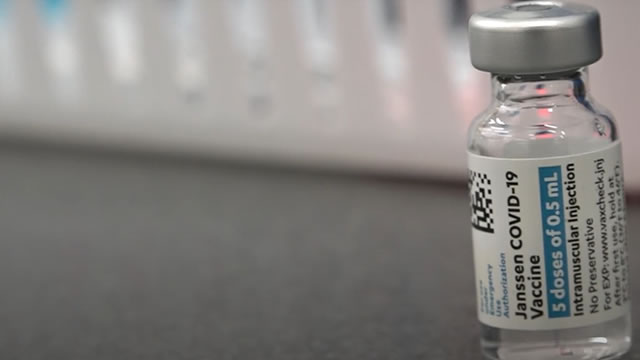
J&J's Innovative Medicine sees a 7.7% rise in Q3 sales to $16.76 billion, as blockbuster drugs and new launches offset generic headwinds.

When profits dip, lenders get paid first and the dividend is usually what gets cut. Four household names have raised their payouts year after year, and one of them holds a credit rating almost no other U.S. company can match.

Drugs, software, cereal, and electricity keep selling when the economy stalls. Five dividend payers pass a coverage test, but one carries a payout stretched thin and another faces a regulatory hearing that could change its income story.

Retirees chasing big yields often get burned, so these four companies took a different route: raising payouts every year for over six decades. Which one has the most cushion, and which carries a risk that could rattle your portfolio?

Investors interested in stocks from the Large Cap Pharmaceuticals sector have probably already heard of Bayer Aktiengesellschaft (BAYRY) and Johnson & Johnson (JNJ). But which of these two stocks is more attractive to value investors?

Some stocks are worth holding for decades, and they usually have one thing in common: a dividend that went up every year through recessions, rate shocks and bear markets.
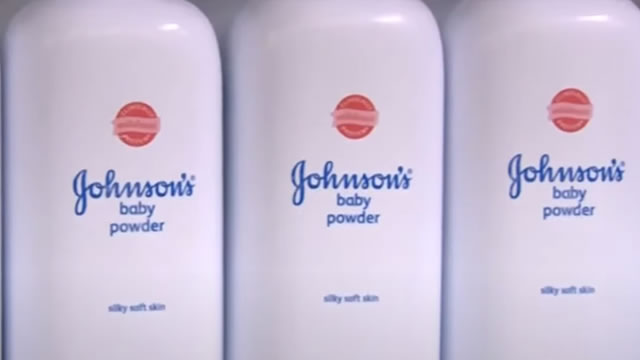
Smith+Nephew cuts outlook, confirms failed merger talks with J&J's orthopaedics unit

Johnson & Johnson (JNJ) has been one of the stocks most watched by Zacks.com users lately. So, it is worth exploring what lies ahead for the stock.
AbbVie survived its loss of Humira, and its profits are soaring. J&J's streamlining efforts are paying off.
Tiblio connects your broker and runs your put-and-call-writing strategy for you — on JNJ and any ticker you trade — then tracks every position and per-strategy win rate.