


McDonald's Joined the Dividend Kings in September, but These 4 Have Been Kings for Decades
McDonald's is a Dividend King newcomer. But four long-time members have been increasing their dividends for decades longer.
24/7 Wall Street11/27/2026Positive
The Procter & Gamble Company (P&G) is an American multinational consumer goods corporation headquartered in Cincinnati, Ohio, founded in 1837 by William Procter and James Gamble. It specializes in a wide range of personal health, consumer health, personal care, and hygiene products; these products are organized into several segments including Beauty; Grooming; Health Care; Fabric & Home Care; and Baby, Feminine, & Family Care. Before the sale of Pringles to Kellogg's, its product portfolio also included food, snacks, and beverages.
| Revenue (TTM) | $87.92B |
| Gross Profit (TTM) | $44.48B |
| EBITDA | $25.09B |
| Operating Margin | 24.90% |
| Return on Equity | 29.60% |
| Return on Assets | 10.50% |
| Revenue/Share (TTM) | $37.75 |
| Book Value | $23.45 |
| Price-to-Book | 7.22 |
| Price-to-Sales (TTM) | 4.56 |
| EV/Revenue | 4.741 |
| EV/EBITDA | 17.03 |
| Quarterly Earnings Growth (YoY) | 0.80% |
| Quarterly Revenue Growth (YoY) | 4.00% |
| Shares Outstanding | $2.32B |
| Float | $2.31B |
| % Insiders | 0.12% |
| % Institutions | 72.16% |
Volatility is currently contracting
McDonald's is a Dividend King newcomer. But four long-time members have been increasing their dividends for decades longer.

Chasing yield is how income portfolios get cut during recessions. A steadier approach is to own payouts that keep growing while the economy contracts.

Stock market volatility has ticked higher amid concerns about AI, geopolitical conflict, and inflation. Procter & Gamble and McCormick are attractive dividend stocks with reliable businesses.
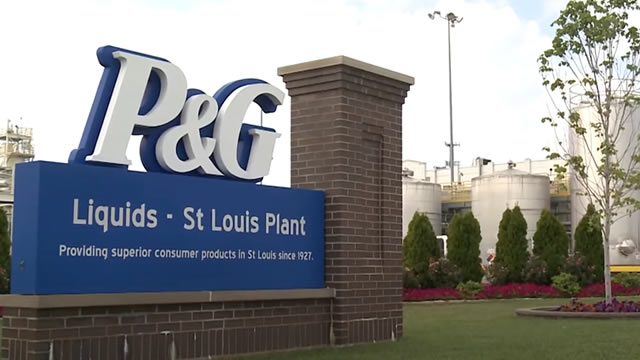
Procter & Gamble's popular household brands generate steady income for the company. It is still growing despite a tough consumer spending environment.
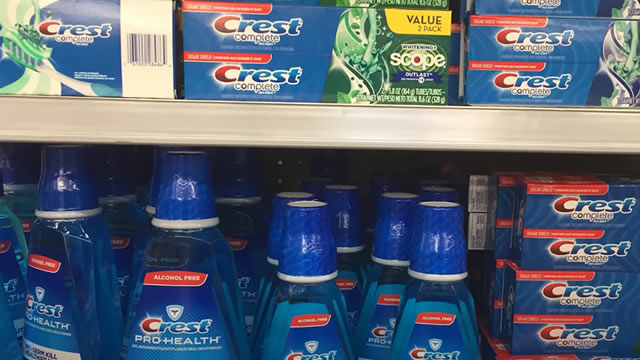
PG hits a 52-week high as innovation and volume recovery fuel growth, but rising costs and premium valuation raise questions about further upside.

Together, these three companies have 198 years of consecutive dividend increases, and all three pay their dividends out of steady cash flow.

Four blue-chip dividend payers, from a drugmaker to an oil giant, promise income that grows while you never add a dollar. One of them yields more than double the others, and the reason behind that gap might surprise you.
PG is accelerating restructuring and productivity initiatives to sharpen its cost base, but rising input costs could limit near-term profitability gains.

The four names below have one thing in common that suits this setup: Each pays its dividend from cash it generates itself, with room to save.

When one industry stumbles, a retiree's dividend checks can shrink overnight. One approach spreads five equal bets across very different corners of the market, and the pick with the highest payout is not the one most investors would guess.
Tiblio connects your broker and runs your put-and-call-writing strategy for you — on PG and any ticker you trade — then tracks every position and per-strategy win rate.