


When the next recession hits, only some dividends survive the squeeze. Four companies from four different sectors passed a strict balance sheet test, but one of them carries a red flag that makes retirees look twice.
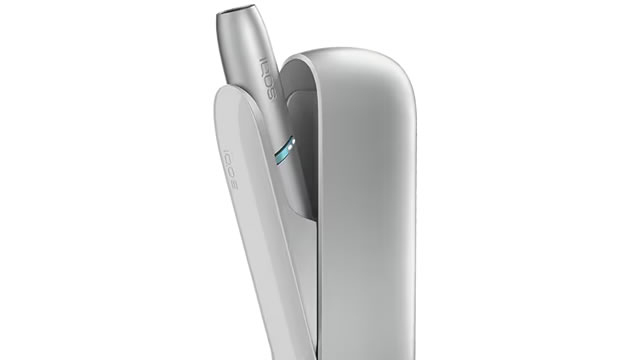
Philip Morris International Inc. (PMI) is a Swiss-American multinational cigarette and tobacco manufacturing company, with products sold in over 180 countries. The most recognized and best selling product of the company is Marlboro.
| Revenue (TTM) | $43.14B |
| Gross Profit (TTM) | $29.20B |
| EBITDA | $20.12B |
| Operating Margin | 41.90% |
| Return on Equity | 0.00% |
| Return on Assets | 16.90% |
| Revenue/Share (TTM) | $27.70 |
| Book Value | $-5.09 |
| Price-to-Book | 1318.70 |
| Price-to-Sales (TTM) | 6.79 |
| EV/Revenue | 7.54 |
| EV/EBITDA | 16.89 |
| Quarterly Earnings Growth (YoY) | -4.80% |
| Quarterly Revenue Growth (YoY) | 5.50% |
| Shares Outstanding | $1.56B |
| Float | $1.55B |
| % Insiders | 0.19% |
| % Institutions | 84.27% |
Volatility is currently contracting

When the next recession hits, only some dividends survive the squeeze. Four companies from four different sectors passed a strict balance sheet test, but one of them carries a red flag that makes retirees look twice.

I downgrade Philip Morris International (PM) from Buy to Hold: strong smoke-free growth is largely priced into its nearly 24x forward earnings multiple. I would consider buying PM below $170, closer to 20x earnings, as the premium valuation leaves little room for slower growth or regulatory setbacks. PM's smoke-free momentum drove a third quarterly earnings beat and a full-year EPS guidance raise to $8.29–$8.44.

One tobacco giant pays a fatter check today, while the other keeps raising its payout year after year. For retirees counting on income through decades of living expenses, the bigger yield may hide a trap worth examining before you buy.

I rate Philip Morris a Buy: ZYN's price cut defends category leadership rather than signaling a fading oral nicotine opportunity. PM is increasing flagship ZYN cans from 15 to 20 pouches at unchanged prices; U.S. revenue faces pressure for roughly three quarters. Cigarette pricing and IQOS support earnings, while free cash flow covered nine-month dividends 1.35 times; 2026 adjusted EPS guidance is $8.29–$8.44.

One utility, one tobacco giant, and one healthcare Dividend King each get $100,000 to see who earns the most. The ranking surprises, and one stock's 64-year raise streak comes with the lowest payout of the three.

Two tobacco giants pay out nearly identical shares of their earnings, yet one yields almost twice as much as the other. For retirees choosing between them, the real question is what each payout costs in risk and future growth.

Both tobacco giants beat earnings estimates, raised their dividends, and surged more than 30% this year, but they pull retirees in opposite directions when it comes to income now versus income later.

Five income stocks cleared a rare filter this year: every single one raised its dividend payout, even as interest rates punished yield hunters.

Philip Morris (PM) delivered a solid Q3, with EPS and revenue beats, and raised its dividend by 8.8% to $1.60 per share. Smoke-free revenue now exceeds 40%, but growth in IQOS slowed due to regulatory headwinds; cigarette pricing continues to drive top-line gains. U.S. revenue rose 22.7%, but profit growth lagged due to higher marketing spend defending ZYN amid intensifying competition and price wars.

Philip Morris maintains its 2026 earnings outlook despite geopolitical costs, as rising ZYN investments and smoke-free expansion pressure U.S. profitability.
Tiblio connects your broker and runs your put-and-call-writing strategy for you — on PM and any ticker you trade — then tracks every position and per-strategy win rate.