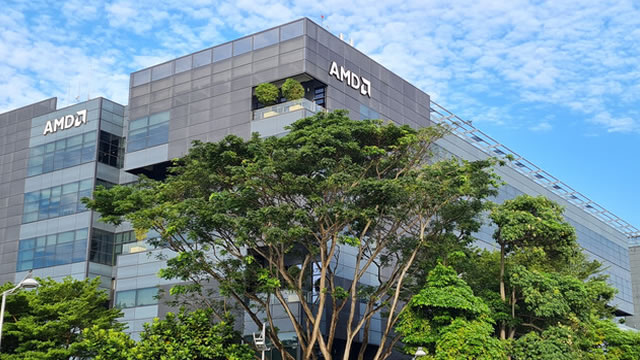
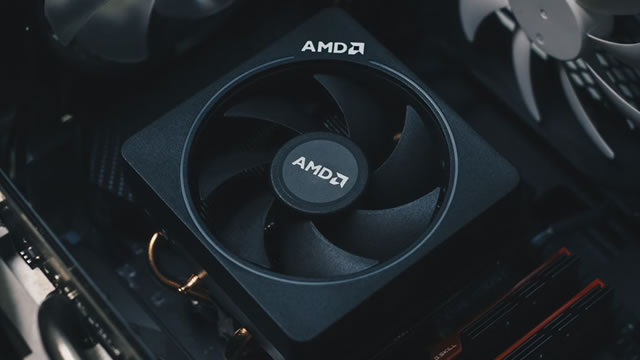
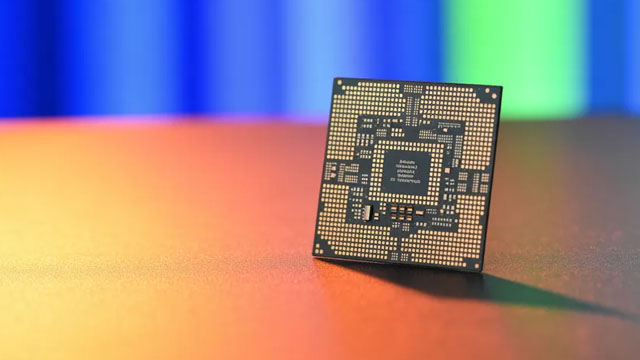
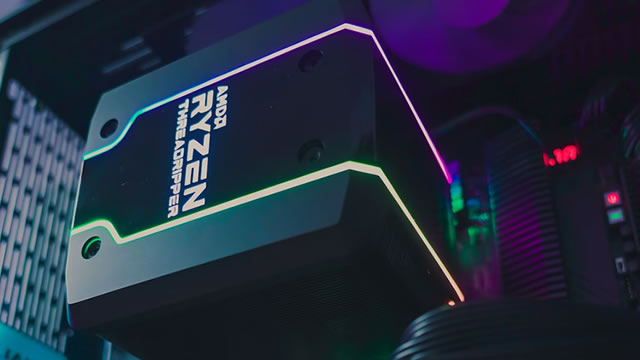
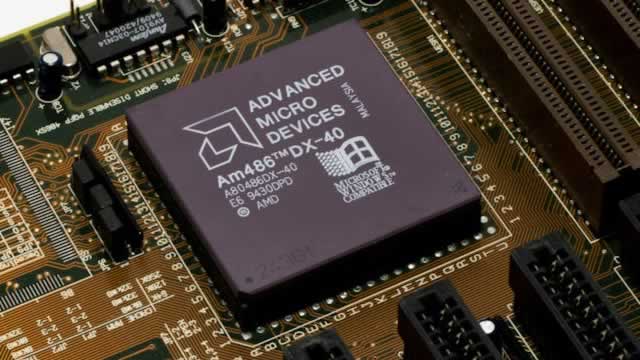
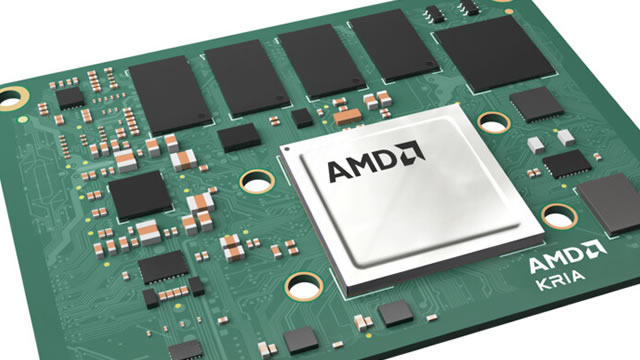
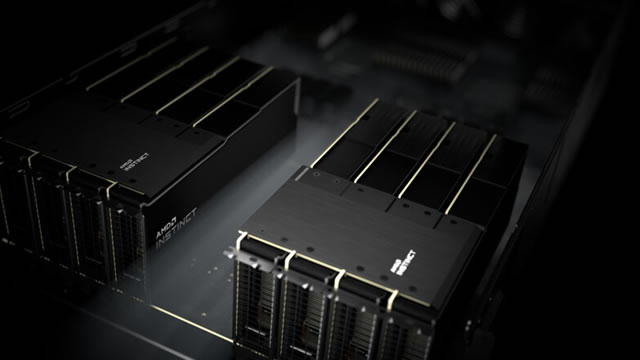
Advanced Micro Devices, Inc. (AMD) is an American multinational semiconductor company based in Santa Clara, California, that develops computer processors and related technologies for business and consumer markets. AMD's main products include microprocessors, motherboard chipsets, embedded processors and graphics processors for servers, workstations, personal computers and embedded system applications.
A trader on Reddit's r/wallstreetbets says he turned an Advanced Micro Devices (NASDAQ:AMD | AMD Price Prediction) position into a fortune, then sold all of it. On October 16, 2026, user DubiousChemistry posted “+$16,000,000 on AMD and SOXL.
Intel and AMD shares rebounded on Monday after a difficult week, as investors bought the dip and falling oil prices provided additional support to the broader market. Intel shares INTC rose nearly over 4% at the market open, while AMD gained more than 3%.
Zacks.com users have recently been watching Advanced Micro (AMD) quite a bit. Thus, it is worth knowing the facts that could determine the stock's prospects.
AI is driving a gold rush in data centers and power generation, but not every company collecting on that boom is getting paid on the same schedule. Four stocks are riding the wave at very different stages of the race.
CoreWeave's stumble has put a spotlight on how Nvidia and AMD are bankrolling the AI chip boom, and the two approaches carry very different kinds of danger lurking beneath blockbuster revenue numbers.
AMD expects third-quarter revenue of around $13 billion, up about 41% year over year. AMD's revenue has topped the high end of its own guidance range in each of the last two quarters.
A Delaware jury verdict is adding to the pressure on Arm Holdings (NASDAQ:ARM | ARM Price Prediction) as a broad selloff in chip stocks extends its run. Arm stock is down 5% during afternoon trading, landing at $232.22.
AMD's data center revenue just doubled and gigawatt-scale AI deals keep piling up, but a trailing P/E of 228 and a beta above 2.4 mean the stock can hurt as fast as it can reward.
A rotation out of AI-linked chip stocks isn't letting up, and two of the biggest names in processors are falling again. Intel (NASDAQ:INTC | INTC Price Prediction) stock is down 3% to $92.60 in morning trading.
24/7 Wall Street10/16/2026Neutral
Turn research into an automated options-selling system
Tiblio connects your broker and runs your put-and-call-writing strategy for you — on AMD and any ticker you trade — then tracks every position and per-strategy win rate.